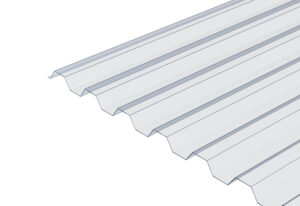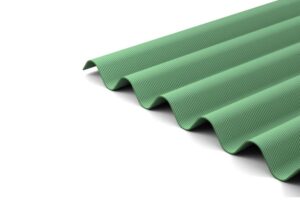









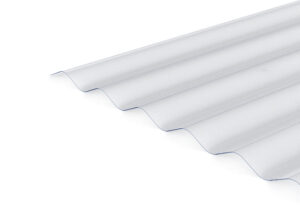
PVC Corrugated Roofing Sheets
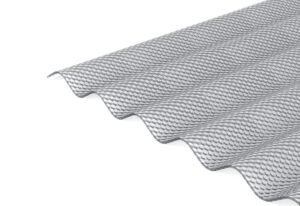
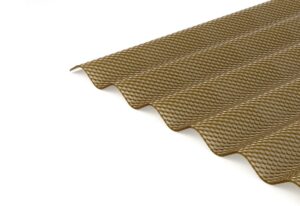
Polycarbonate Corrugated Roofing Sheets
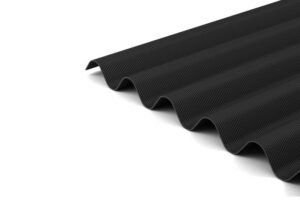
Rigid-structured polycarbonate sheets for advanced thermal insulation and light transmission
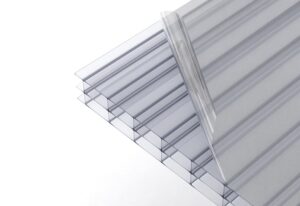
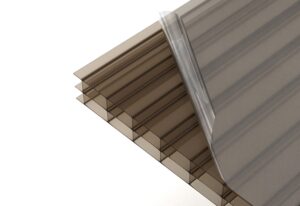
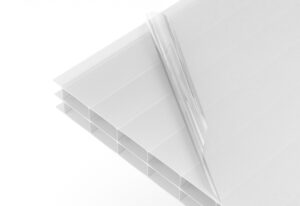
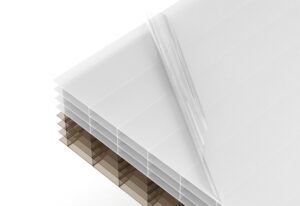
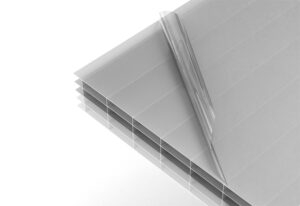
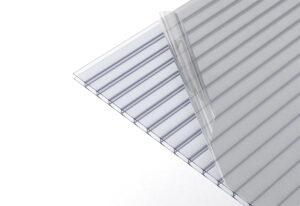
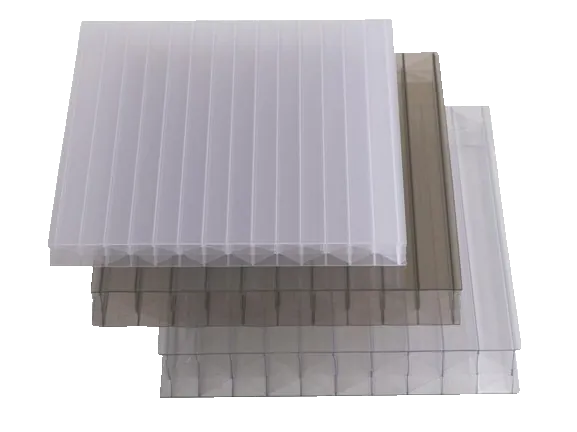
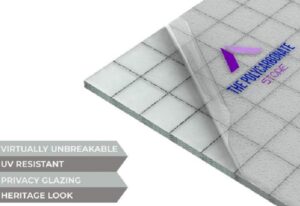
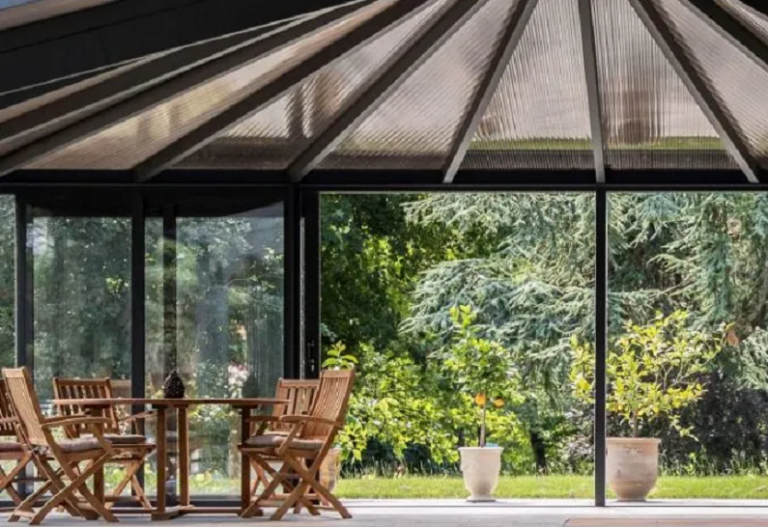
Multiwall polycarbonate sheet products that feature a cellular structure with at least two walls and connective ribbing. This twin wall or multiwall structure creates insulating air spaces (cells) that help reduce thermal (heat)energy penetration, resulting in a cooler area in the summer and a warmer area in the colder months. The structure yields an energy efficient, rigid, impact-resistant sheet that is significantly lighter in weight than solid polycarbonate, acrylic or glass sheets.
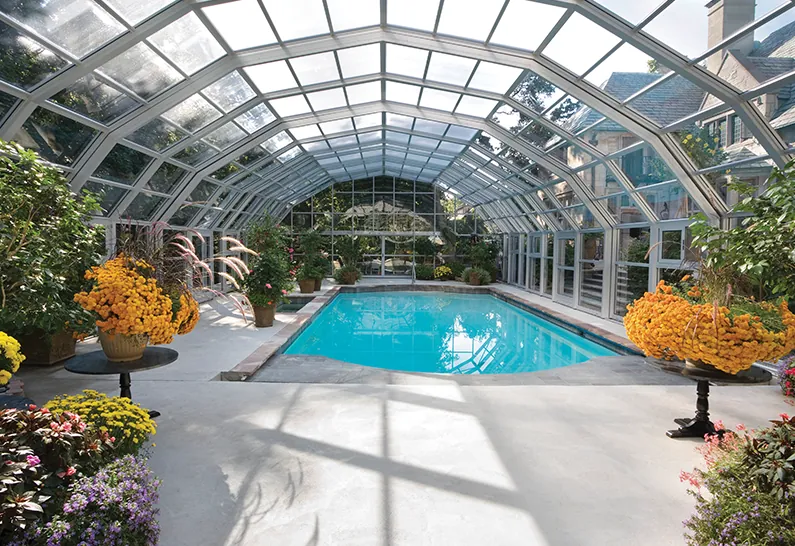
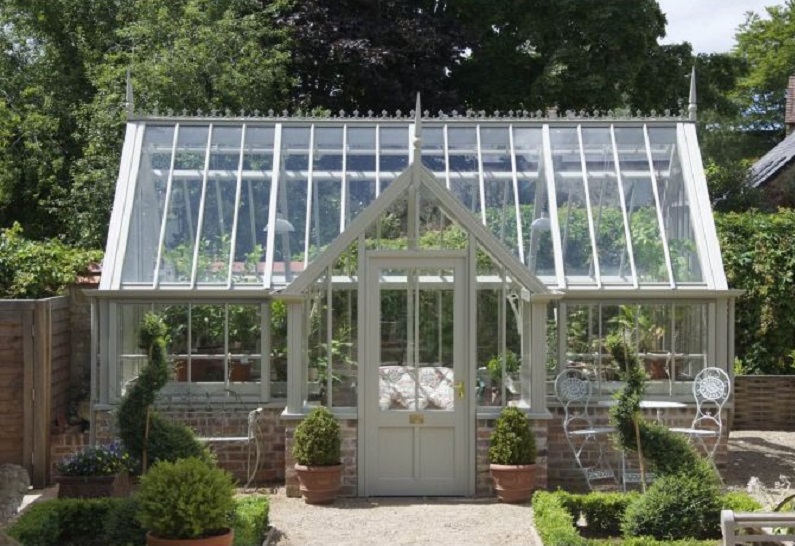
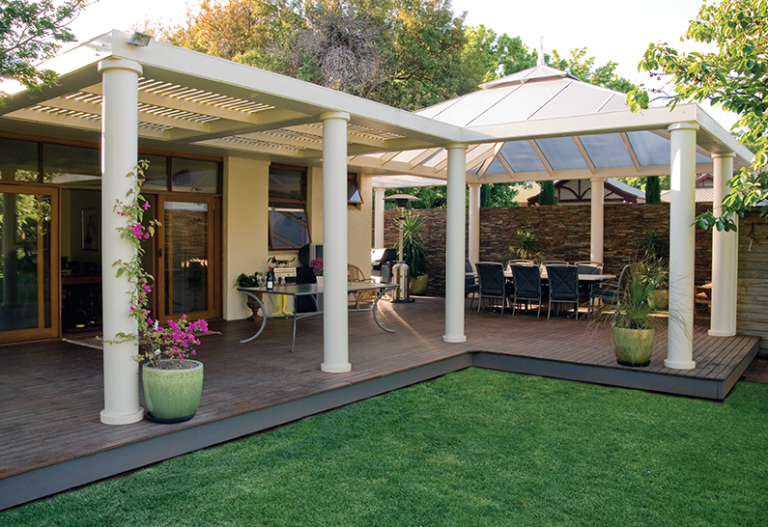
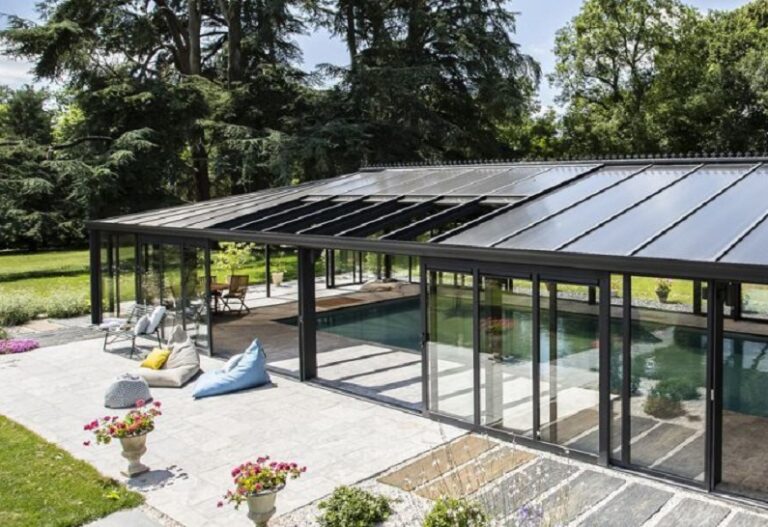
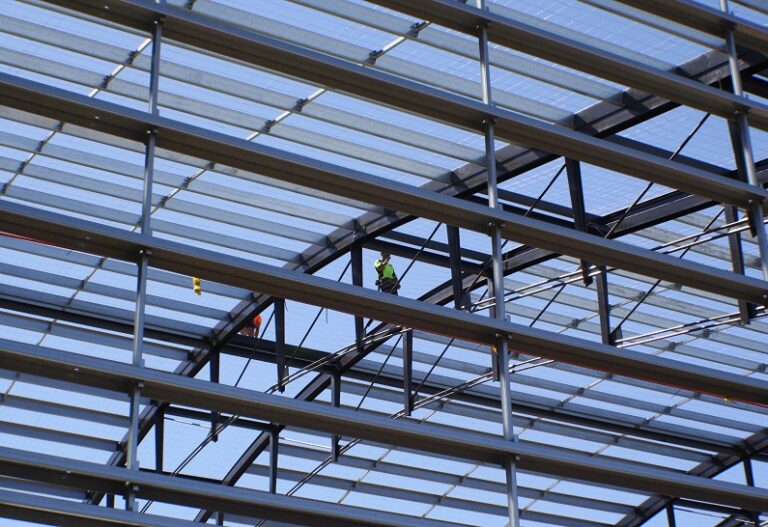
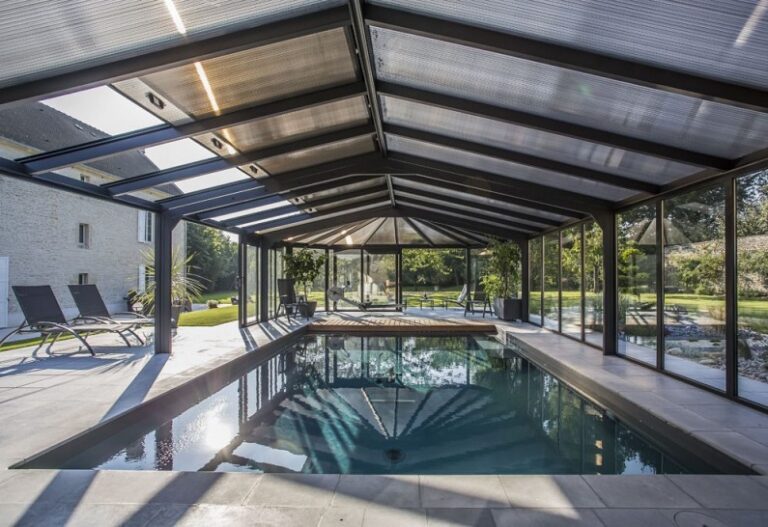
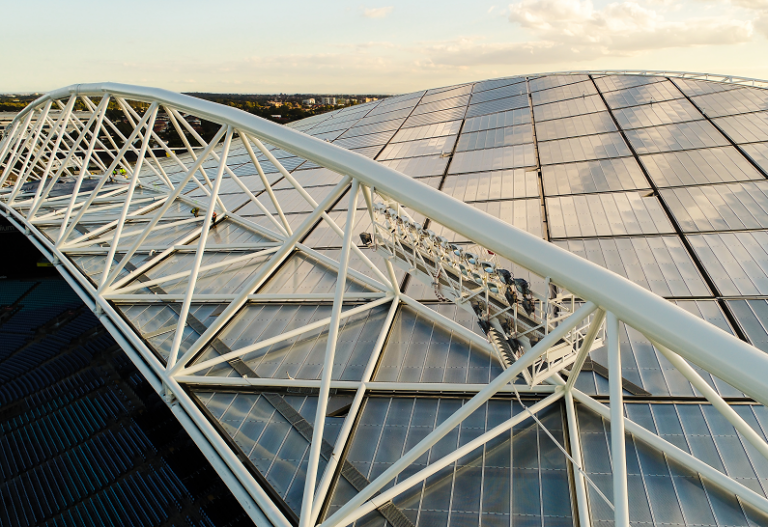
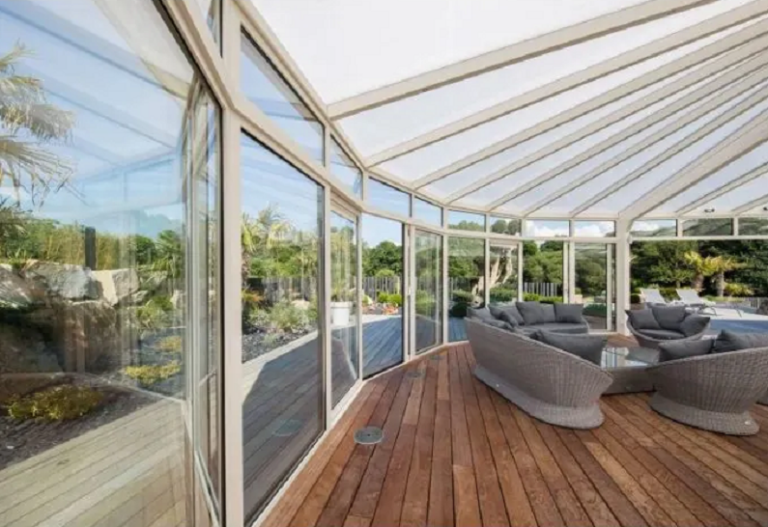
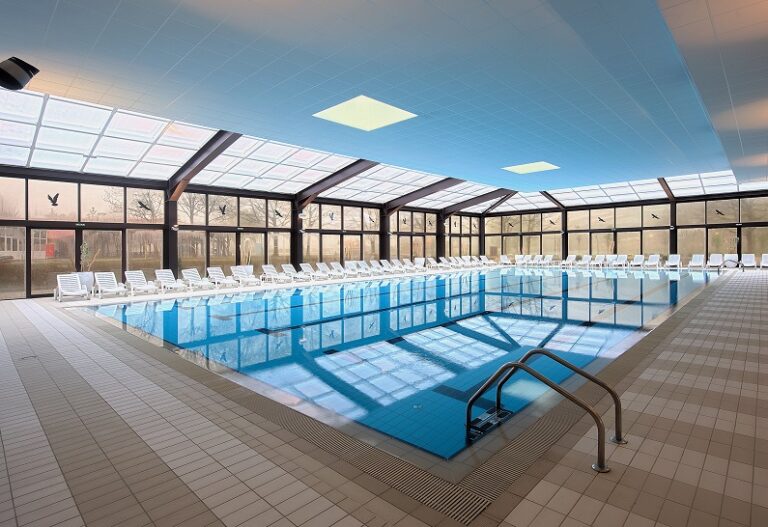
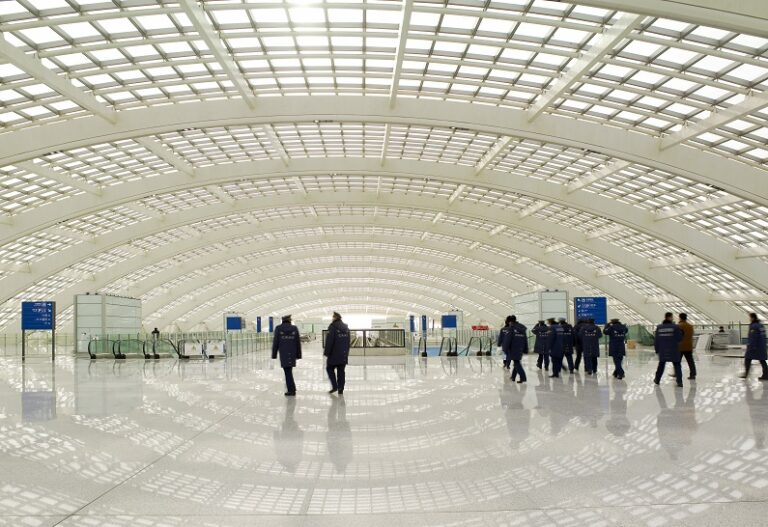
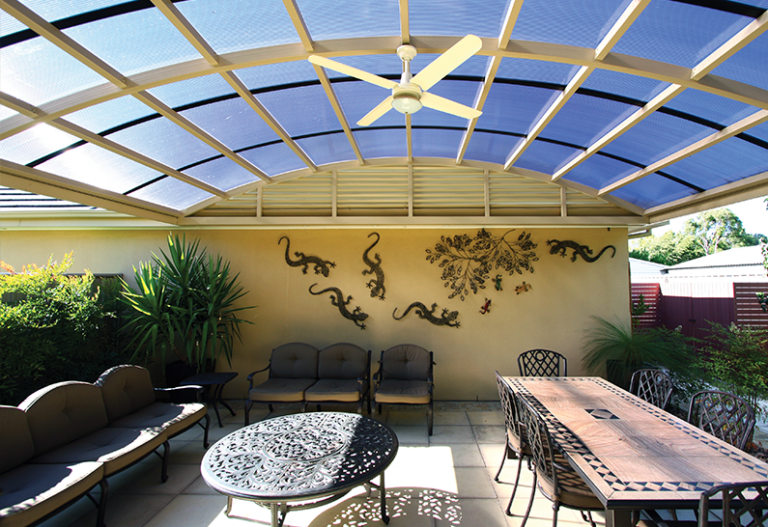
Popular applications of twin-wall and multiwall polycarbonate sheets are exterior roofing, glazing, polytunnels, interior partitions, displays, and pop-up merchandising displays.
Showing 1–16 of 25 results
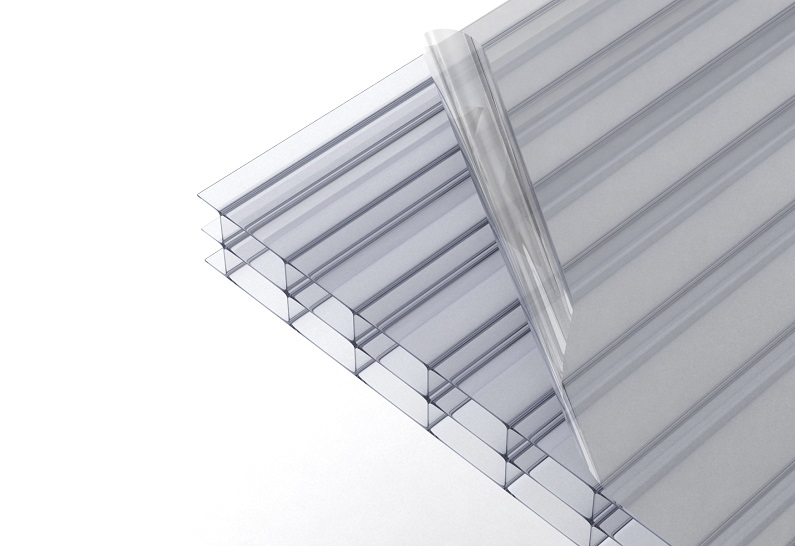
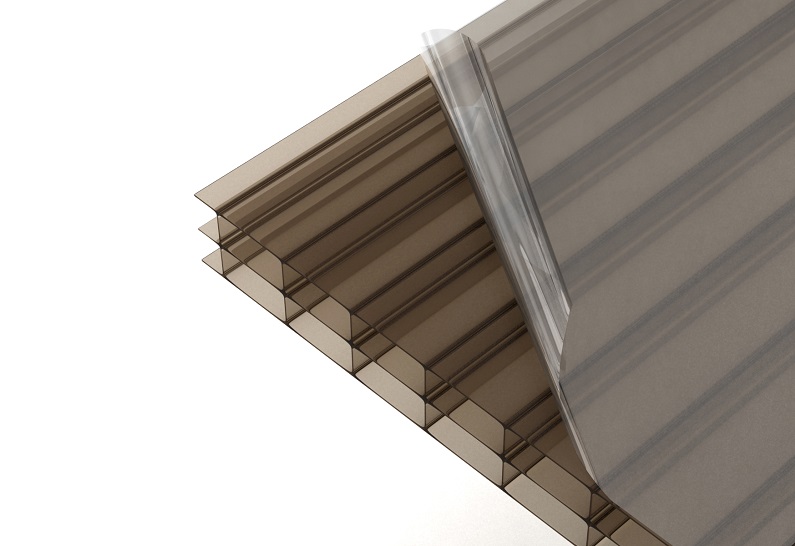
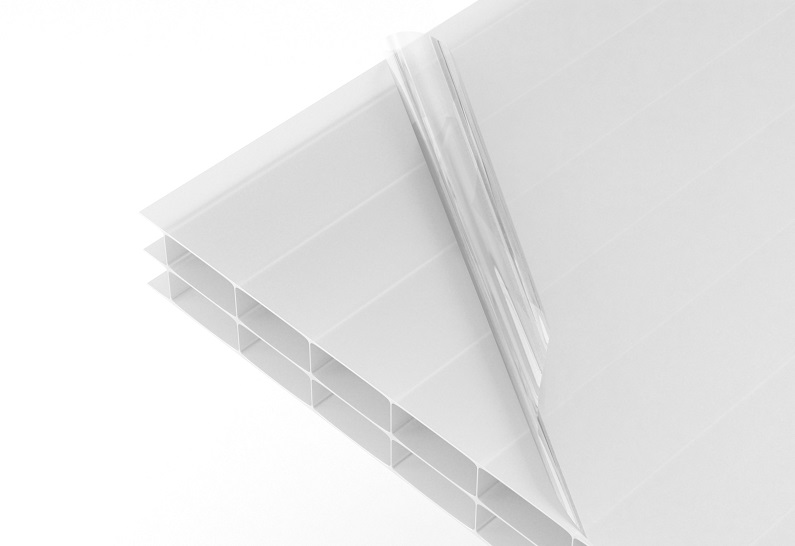
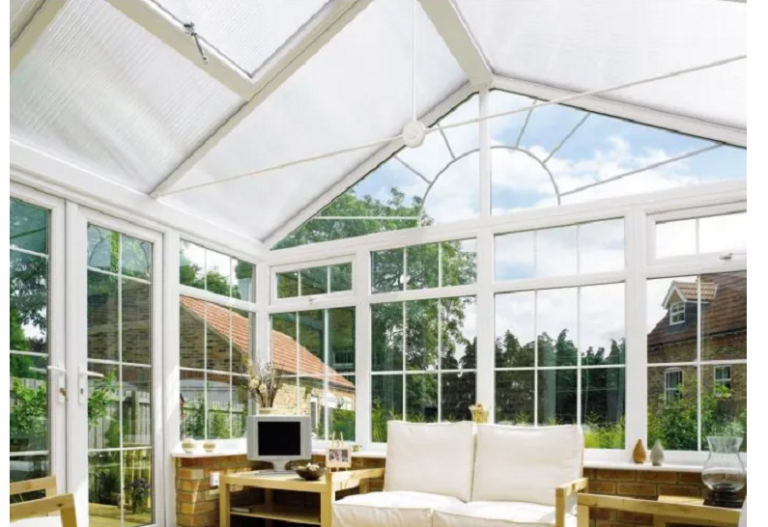
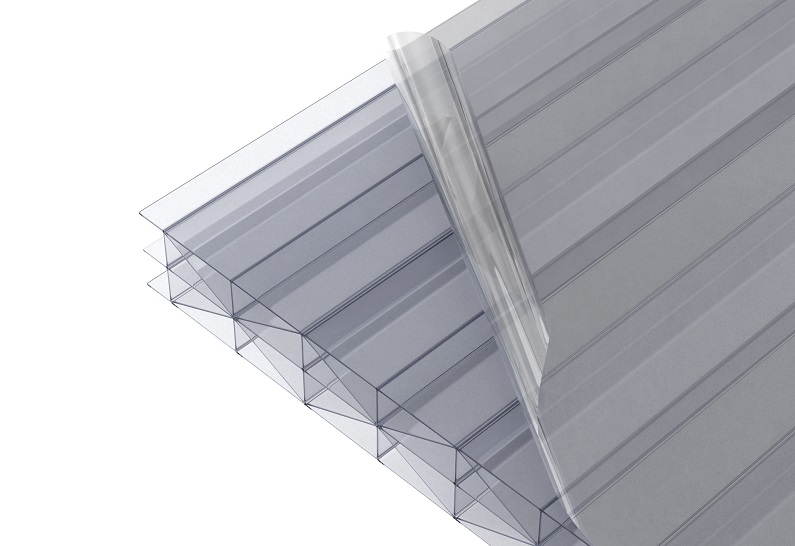
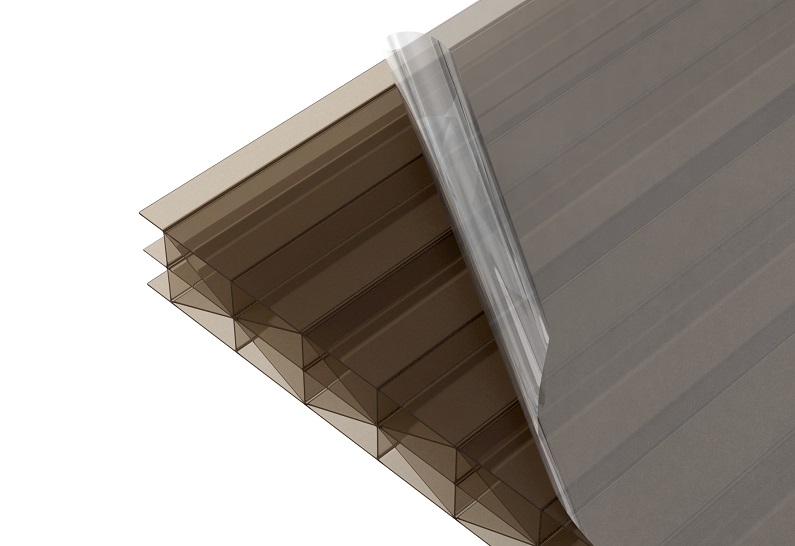
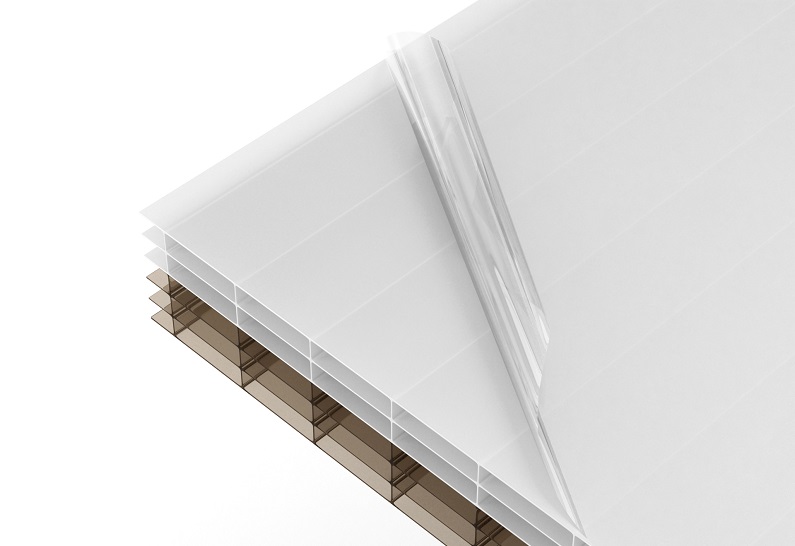
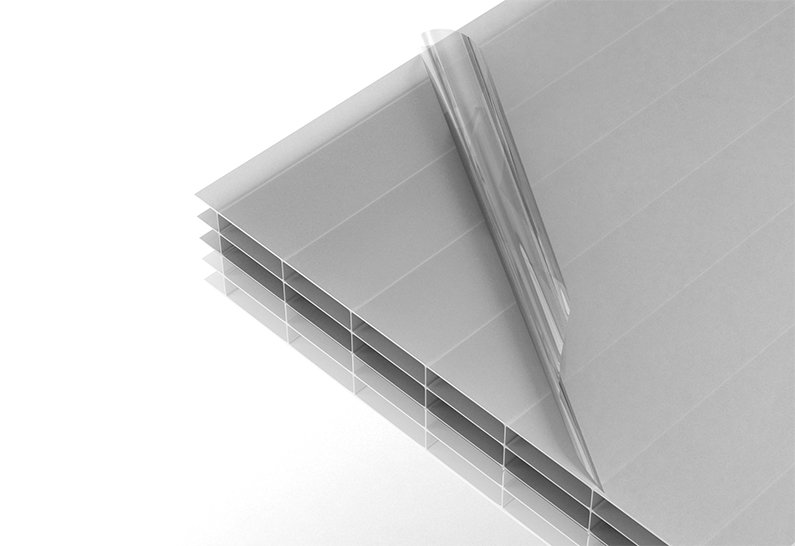
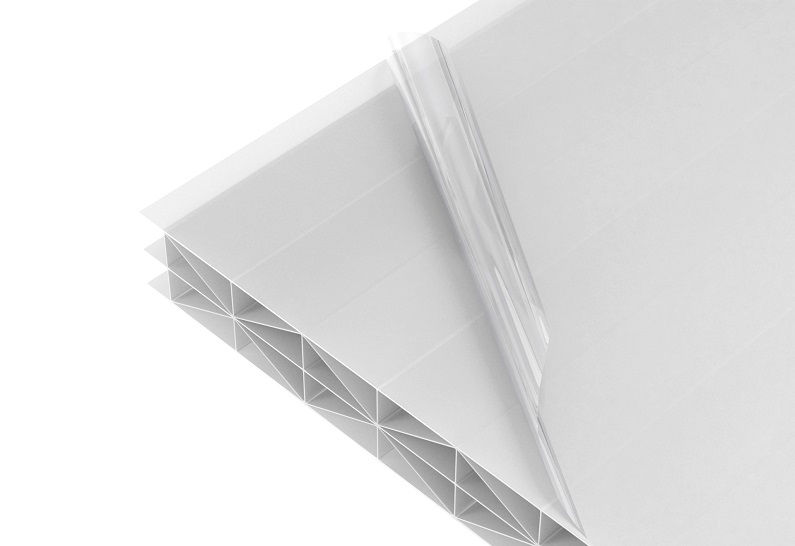
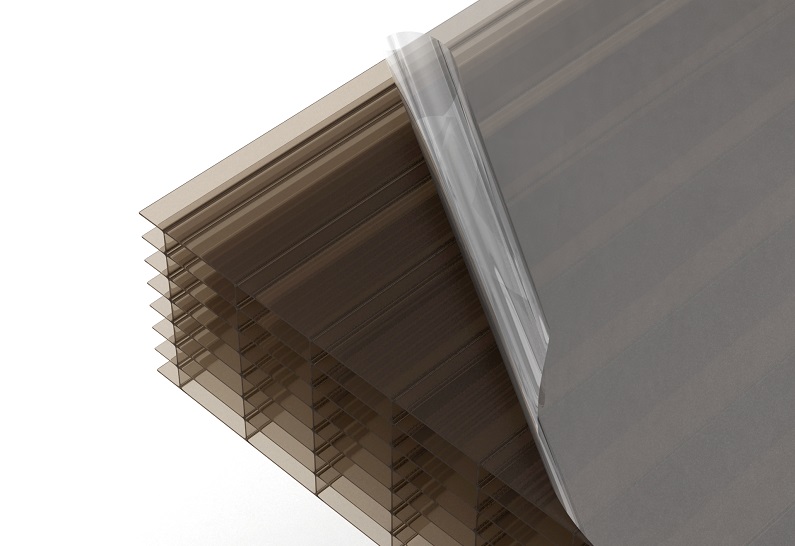
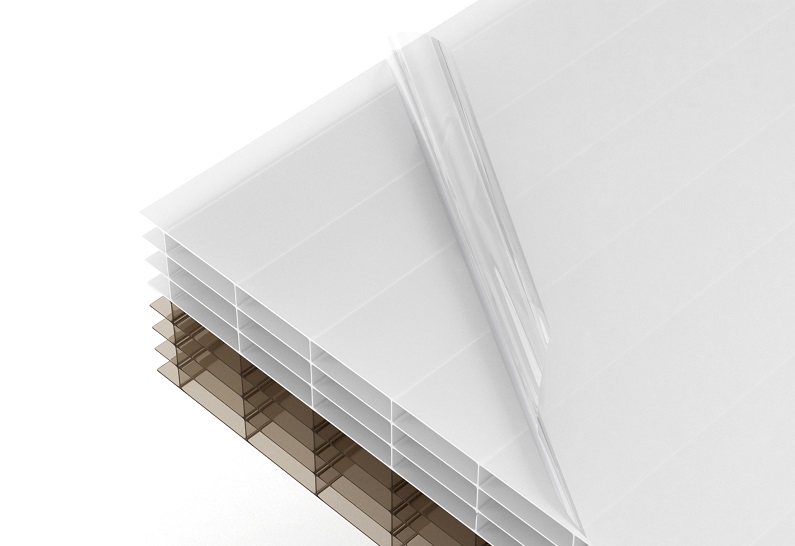
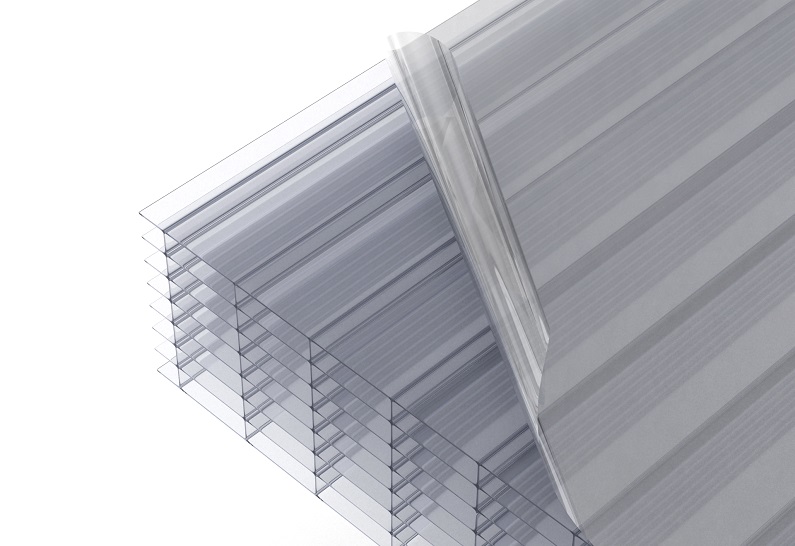
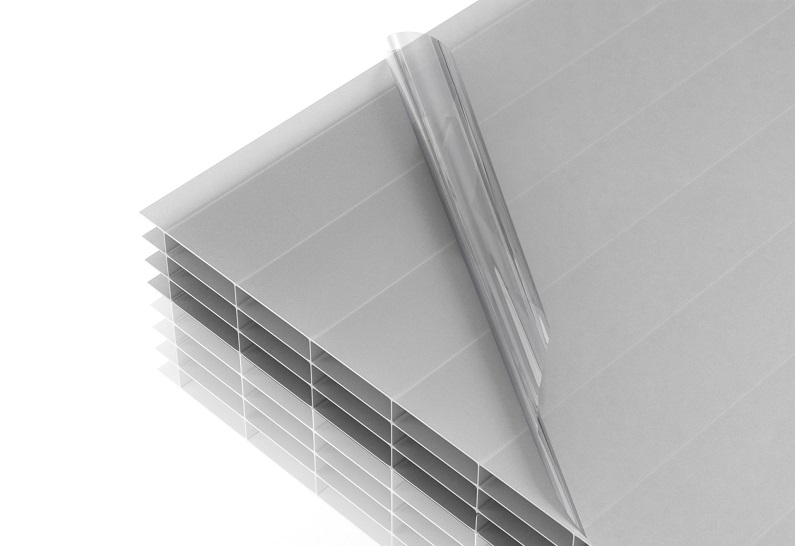
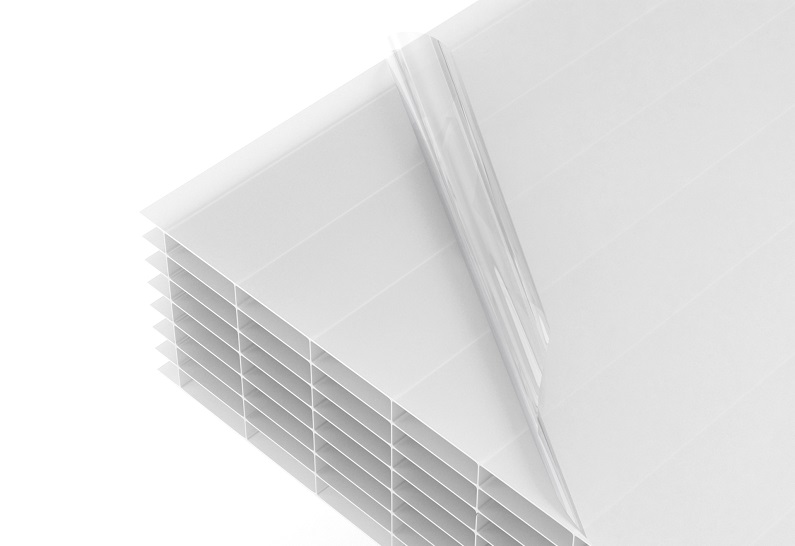
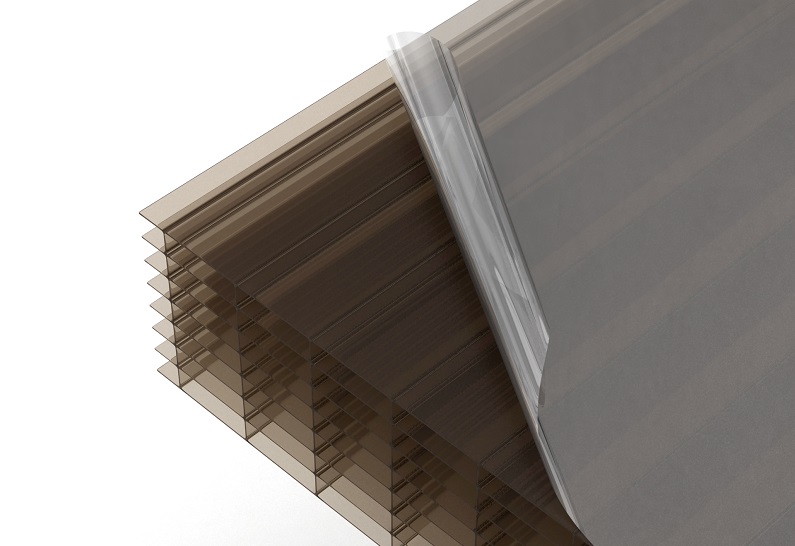
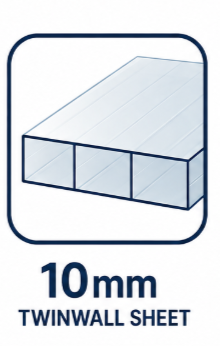
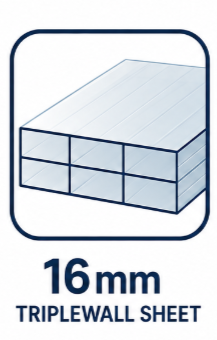
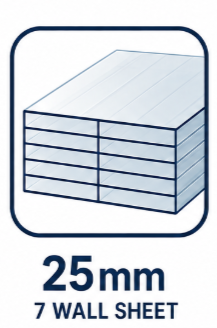
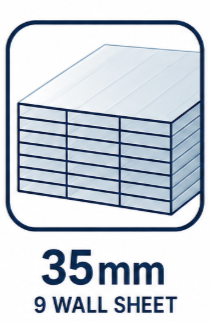
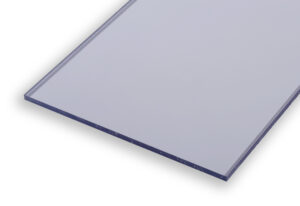
A multiwall sheet traps still air between its skins, and still air is a poor conductor of heat. A solid sheet has no air layer, so heat passes straight through it. Each extra wall adds another air layer: 16mm loses about a fifth less heat than 10mm, and 25mm about a third less than 16mm. More walls also mean less light.
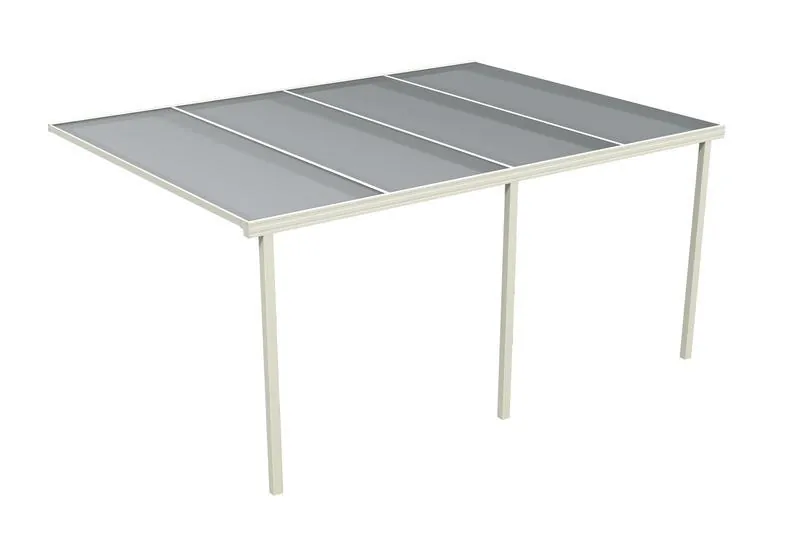
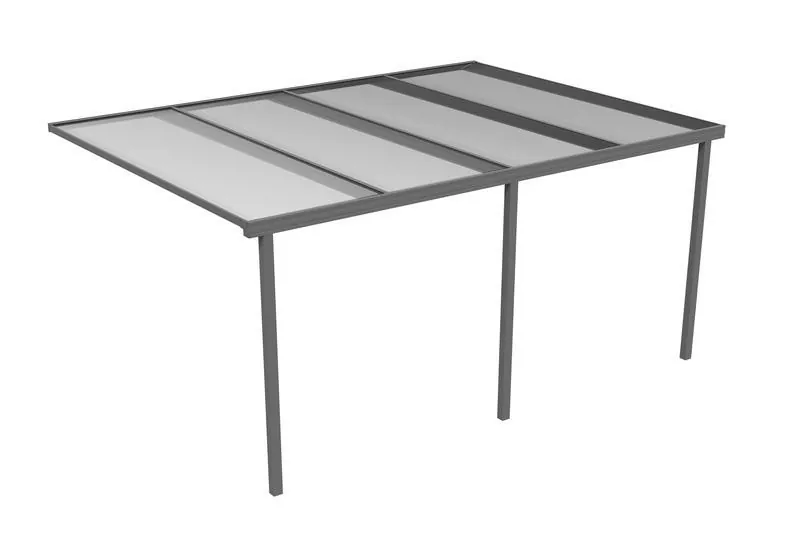
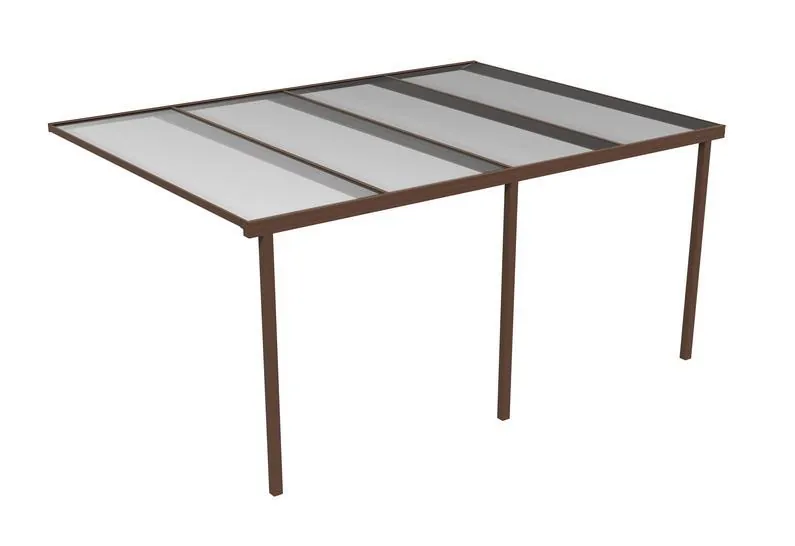
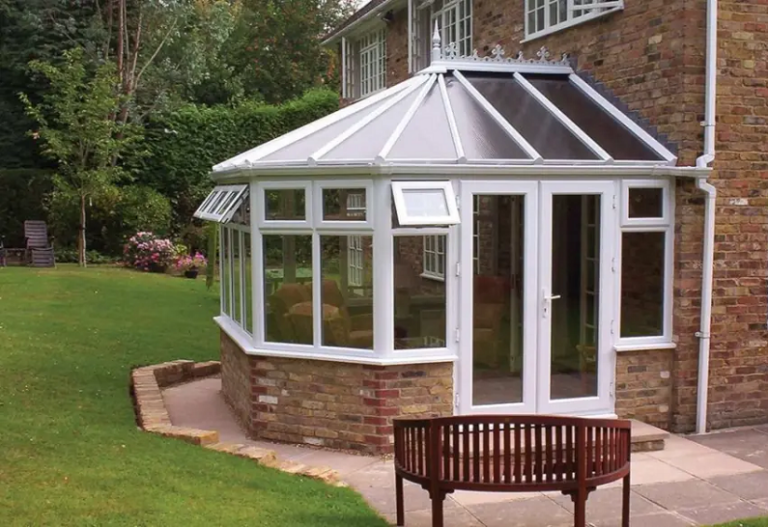
For a lean-to, canopy or covered walkway, 16mm is the usual choice. For a conservatory you heat and sit in through the winter, choose 25mm or thicker, with 35mm the current standard for new roofs and the best insulator. If you are replacing panels in an existing conservatory, match the thickness already fitted, which is often 32mm.
One side only, on every multiwall sheet we sell. The UV layer is co-extruded into the sheet during manufacture, and the printed protective film marks that face. It must face the sun. Fitted the wrong way, the sheet yellows and cracks within a couple of years. Fitted correctly, it is warranted for ten years against loss of light transmission.
We give a recommended maximum width for each thickness: 10mm 700mm, 16mm 800mm, 25mm 900mm, 32mm and 35mm 1000mm. Thicker sheets are stiffer, so they span further. The manufacturer's tables allow more at light loads and less under heavy snow, so our figures are the safe DIY numbers. Check your wind and snow exposure, or call the technical team.
Yes, with limits. Multiwall sheets are made for roofing and glazing, and that is what we sell them for, but they also work as lightweight partitions or screens in outbuildings, workshops and garden rooms where you want daylight without a clear view through. Opal suits that best. For a habitable room, check fire and Building Regulations requirements before fitting one.